The psychology behind betting behavior in casinos explained
The psychology behind betting behavior in casinos explained
The thrill of risk-taking
The allure of casinos largely stems from the excitement associated with risk-taking. Many individuals visit casinos not just for the potential financial gain, but for the adrenaline rush that comes with wagering. This phenomenon can be attributed to the brain’s reward system, which releases dopamine during betting, creating a pleasurable experience. Such experiences often lead to increased betting behaviors, as the thrill of winning can overshadow the reality of losses.
Furthermore, players may find themselves in a state of heightened emotions when engaged in gambling activities. This state can compel them to make impulsive decisions, as the desire for immediate gratification often outweighs logical thinking. The combination of excitement and emotional highs can significantly influence how individuals engage with games of chance.
This thrill can be addictive. Many gamblers report that they are drawn back to casinos time and again, seeking the same rush they experienced during previous visits. This cycle can create a pattern of behavior that is difficult to break, as players learn to chase that initial high, often ignoring the financial and emotional repercussions.
In some instances, this drive for risk-taking can be linked to deeper psychological factors, such as a desire for validation or an escape from everyday stressors. Understanding these underlying motivations can provide insight into why certain individuals become frequent gamblers.
The role of environment
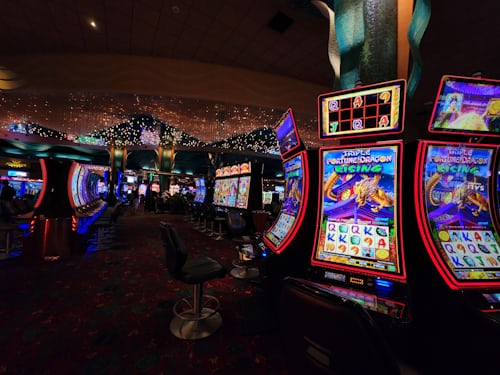
The casino setting itself is meticulously designed to enhance the betting experience. Bright lights, vibrant colors, and the sounds of ringing coins or cheering patrons contribute to an immersive environment that encourages gamblers to stay longer and bet more. These sensory experiences create a feeling of euphoria, further entrenching the player’s desire to continue wagering.

Moreover, the architecture of casinos plays a crucial role in shaping betting behavior. Many casinos lack windows and clocks, disconnecting individuals from the outside world and leading them to lose track of time. This disorientation often results in extended gambling sessions, as players become engrossed in the atmosphere, reinforcing their commitment to betting and their likelihood of increasing their stakes.
Additionally, the layout of casinos is often strategic, with high-stakes games located far from entrances, enticing customers to walk through rooms filled with lower-stakes options or slot machines. This deliberate design can lure casual players into participating in more extensive gambling, contributing to a longer and possibly more detrimental gaming session.
cognitive biases in gambling
Cognitive biases significantly impact how individuals view their betting behavior and outcomes. One common bias is the illusion of control, where players believe they can influence the outcome of a game, despite it being purely based on chance. This belief drives them to gamble more, as they feel a false sense of empowerment over their decisions.
Another prevalent bias is the gambler’s fallacy, where individuals incorrectly assume that past events will affect future outcomes. For instance, if a roulette wheel has landed on red several times consecutively, a player might believe that black is “due” to win. Such misconceptions can lead to larger bets, driven by the misguided belief that they’re merely correcting “the odds.”
These cognitive biases can result in a distorted perception of luck and risk. Gamblers often rationalize their losses by reflecting on wins, a phenomenon known as selective memory. By focusing on their successes while disregarding failures, individuals can convince themselves that they are on the brink of a big win, propelling them to continue betting even when odds are not in their favor.
Social influences on betting behavior
Social dynamics play a critical role in shaping how individuals approach gambling. Many people enjoy the social aspect of playing games in a casino, whether it’s bonding with friends or the adrenaline of competing with strangers. This camaraderie can enhance the enjoyment of betting and encourage individuals to place more bets than they would if gambling alone.
Additionally, peer pressure can have a profound effect on betting habits. Individuals may feel compelled to act in accordance with the behaviors and expectations of their peers, leading to impulsive betting decisions. In group settings, the desire to impress or compete can drive individuals to take risks they might otherwise avoid, further complicating their relationship with gambling.
Conversely, social support can also play a beneficial role. Friends and family can help individuals recognize when their gambling habits become problematic and encourage healthier behaviors. Open conversations about gambling can help individuals understand their limits and develop strategies to maintain responsible gaming practices.
Exploring valuable resources
To navigate the complexities of betting behavior in casinos, awareness and education are paramount. Resources provided by organizations such as the one found on the official website can offer guidance and insights into responsible gambling practices. Understanding the psychological factors at play can empower individuals to make informed decisions about their gambling habits.
Such resources can also help individuals recognize signs of problematic gambling behavior, fostering a healthier relationship with betting. By staying informed and engaged, players can enjoy the entertainment aspect of casinos while managing their risk and enhancing overall well-being.
Moreover, many casinos now offer informational materials and workshops aimed at promoting responsible gaming. Educating players about the risks, odds, and responsible gambling strategies can significantly mitigate the chances of developing unhealthy betting behaviors. By fostering a culture of awareness and support, both individuals and casinos can work towards creating safer gambling environments that prioritize well-being alongside entertainment.
